Introduction
In a globe where crashes can take place anytime, recognizing how to respond properly can be the distinction in between life and fatality. Cardiopulmonary resuscitation (MOUTH-TO-MOUTH RESUSCITATION) is a crucial ability that every person need to think about discovering. But with many options offered, navigating the globe of mouth-to-mouth resuscitation programs can really feel frustrating. So, which one is best for you? This short article intends to assist you through the numerous mouth-to-mouth resuscitation training courses offered, aiding you pick the best fit for your needs.
Understanding CPR and Its Importance
What is CPR?
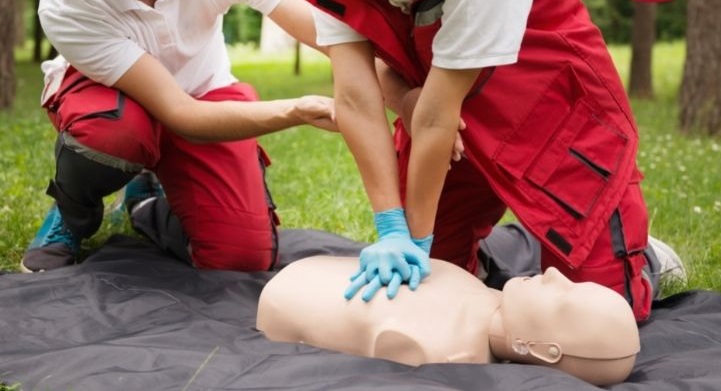
Cardiopulmonary resuscitation (CPR) is an emergency situation procedure carried out on people whose heart has stopped beating or that have ceased breathing. It includes chest compressions and rescue breaths to keep blood flow and oxygenation until sophisticated clinical help arrives.
Why is CPR Important?
The significance of CPR can not be overstated. Data show that prompt CPR can double or perhaps triple a victim's opportunities of survival after heart attack. Discovering CPR not only furnishes you with the abilities to save lives but likewise increases your confidence in emergency situation situations.
When Ought to You Make use of CPR?
CPR ought to be initiated when an individual is unresponsive, not breathing normally, or displaying indications of extreme distress. Having the ability to recognize these scenarios promptly can save priceless minutes.
Navigating the Globe of CPR Courses: Kinds Available
Basic Life Assistance (BLS) Courses
What is BLS?
BLS courses are developed for healthcare providers and experts who need to maintain certification in basic life assistance methods. These courses cover necessary skills such as top notch chest compressions, respiratory tract monitoring, and using an Automated External Defibrillator (AED).
Who Ought to Take BLS Courses?
If you're a medical care worker, caretaker, or someone wanting to improve their medical expertise, a BLS training course may be proper for you.
Heartsaver ® CPR/AED Courses
What are Heartsaver ® Courses?
The Heartsaver ® program offers programs tailored for laymans. It concentrates on adult, child, and infant CPR strategies along with AED usage.
Who Should Consider Heartsaver ® Courses?
These training courses are excellent for instructors, trains, moms and dads, and any individual in charge of others' security who may require to act in an emergency situation.
First Help Training course vs. First Aid and Mouth-to-mouth Resuscitation Course
What Does an Emergency treatment Course Cover?
A first aid course normally covers the essentials of treating injuries such as cuts, burns, fractures, and choking cases without concentrating on resuscitation methods.
Why Integrate First Aid with CPR Training?
Combining first aid training with a CPR training course furnishes you with thorough emergency situation action abilities. By comprehending both first aid and resuscitation techniques, you'll be better prepared to handle different emergencies.
Advanced Cardiac Life Support (ACLS)
What is ACLS Training?
ACLS training exceeds standard life assistance by including sophisticated clinical abilities like administering medicines and handling breathing failure.
Who Demands ACLS Certification?
ACLS accreditation is frequently required for health care experts operating in vital treatment settings such as hospitals or emergency situation rooms.
Choosing the Right Program for You: Elements to Consider
Your Level of Experience
Before joining in any kind of course, examine your present degree of expertise relating to emergency treatment and CPR strategies. Novices might take advantage of starter programs like Heartsaver ®, while experienced individuals may select more extensive Emergency CPR Brisbane training like BLS or ACLS.
Your Responsibilities
Consider your duty in your neighborhood or office. If you are accountable for others' security-- like a trainer or instructor-- you could want to invest time in comprehensive emergency treatment and CPR training.
Course Layout: In-Person vs. Online Options
In-Person Training Advantages
- Hands-on experience Immediate responses from instructors Networking opportunities
Online Training Advantages
- Flexibility Convenience Often less costly
Understanding Certification: What You Required to Know
Duration of Certifications
Most accreditations last in between two to three years before requiring renewal; however, this differs by organization.
Recognized Organizations Offering Certification
Several companies offer reliable qualification programs:
- American Heart Organization (AHA) Red Cross National Security Council (NSC)
Finding Quality Training Providers
Researching Local Options
Look into regional medical facilities or recreation center providing first aid training courses to discover hassle-free choices near you.
Online Resources
Many companies supply on-line training modules that provide accreditation upon conclusion-- an excellent choice if time restrictions are an issue.
Costs Associated with Numerous Courses
|Program Type|Typical Price|| ---------------------|----------------|| Basic Life Support|$100 - $150|| Heartsaver ®|$50 - $80|| First Aid Only|$60 - $100|| ACLS|$200 - $300|
How to Get ready for Your Course
Pre-Course Recommendations
Before participating in class:
Review any offered materials. Wear comfortable clothing. Bring any needed supplies listed by your instructor.What Takes place After Completion?
After efficiently finishing your chosen training course:

Common Mistaken beliefs Regarding First Aid and Mouth-to-mouth Resuscitation Training
Misconception 1: Just Healthcare Professionals Need This Training
This might not be better from the fact! Every person can gain from knowing how to carry out emergency treatment or do CPR!
Misconception 2: I'll Never ever Need to Make Use Of It
Emergency scenarios develop suddenly; being prepared is constantly wise!
FAQs Regarding First Aid Certificates & Courses
How long does it take to complete a typical emergency treatment course? The majority of emergency treatment courses take around four hours however can vary depending on content depth.

Will I receive a certification after finishing my course? Yes! Most reputable companies supply certificates upon effective completion.
How often do I require to restore my certification? Usually every 2 years; check with your accrediting organization.
Can I take these training courses online? Absolutely! Many companies offer on the internet alternatives allowing flexibility.
Are there age requirements for taking these courses? Typically no age limitation exists; however, parental approval may be required under certain circumstances.
Do employers need workers to have these certifications? Lots of companies do prefer employee learnt initial aid/CPR-- it shows dedication in the direction of work environment safety!
Conclusion: Your Trip Starts Now!
With numerous alternatives readily available when it boils down finding which program fits best-- whether it's Basic Life Assistance (BLS), Heartsaver ®, Advanced Cardiac Life Assistance (ACLS), or perhaps simply basic Emergency treatment-- the key takeaway continues to be clear: Taking proactive actions towards enhancing your knowledge base around emergency treatment & & cardiopulmonary resuscitation will eventually empower YOU! By investing time into browsing the globe of mouth-to-mouth resuscitation courses responsibly today guarantees preparedness tomorrow-- since every second counts throughout emergencies!